Animal Habitats Preschool Science Activity Animal habitats preschool, Preschool science
Students could match the animal to its habitat independently or in groups! Could be adapted to

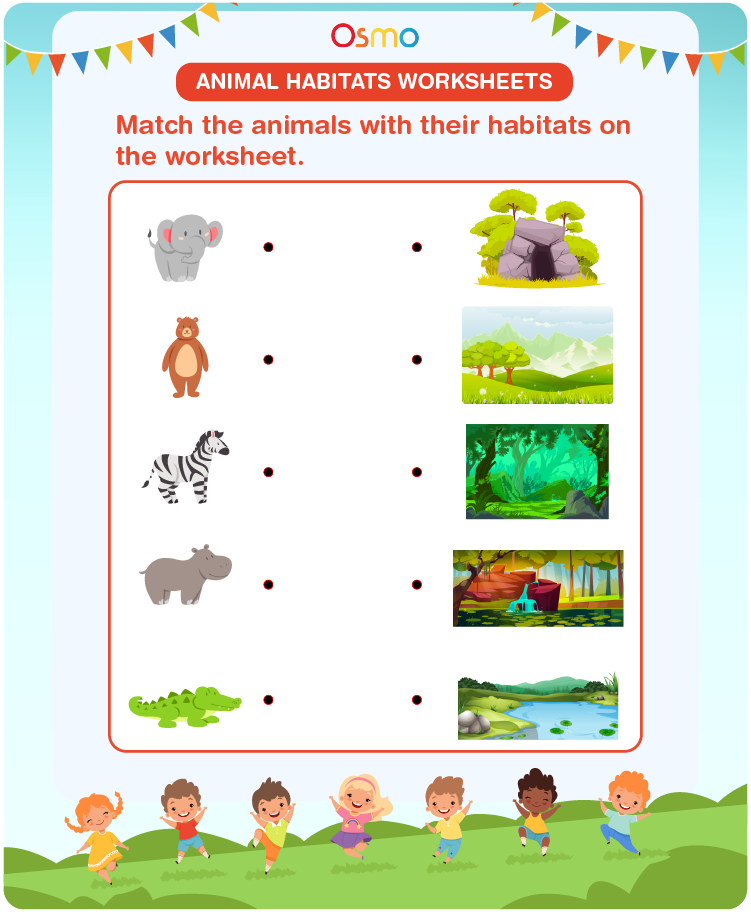
Animal habitats: grassland, forest, ocean and the arctic. Students match animals to their habitats such as the the desert, forest, grasslands and ocean. These worksheets are printable PDF files. Worksheet #1 Worksheet #2 Worksheet #3. Worksheet #4.
Animal Habitats
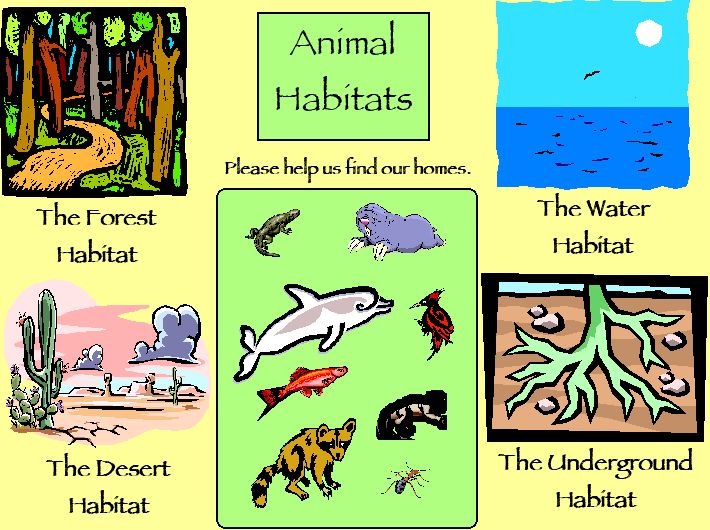
This video is to comply for a special project in Science 4. I was tasked to be creative in showing concpets learned about animal habitats. So I decided to co.
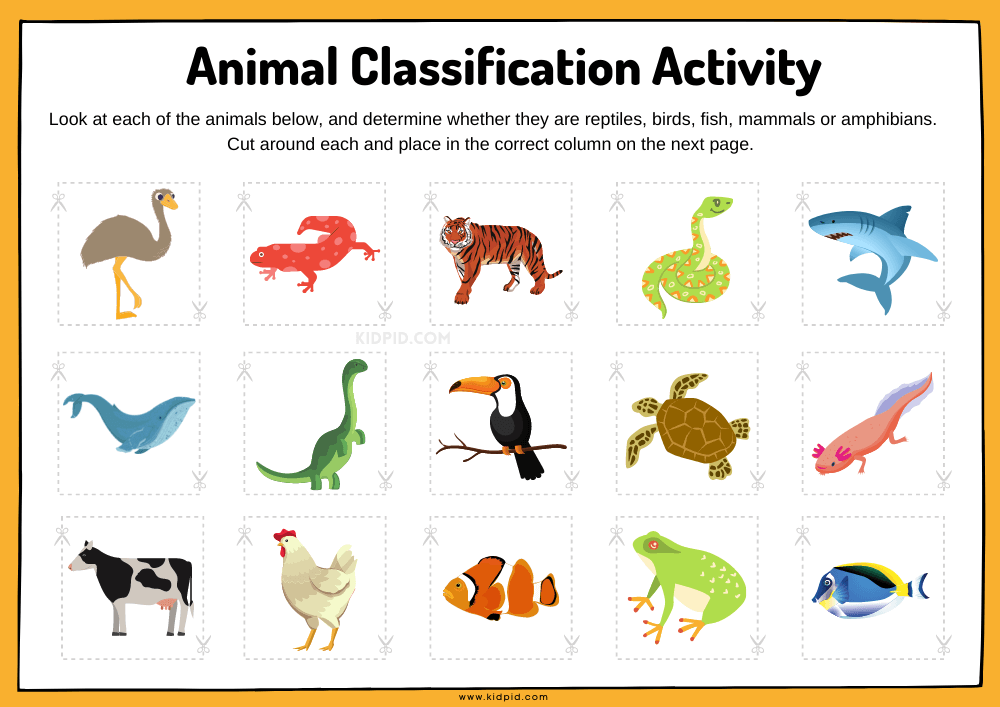
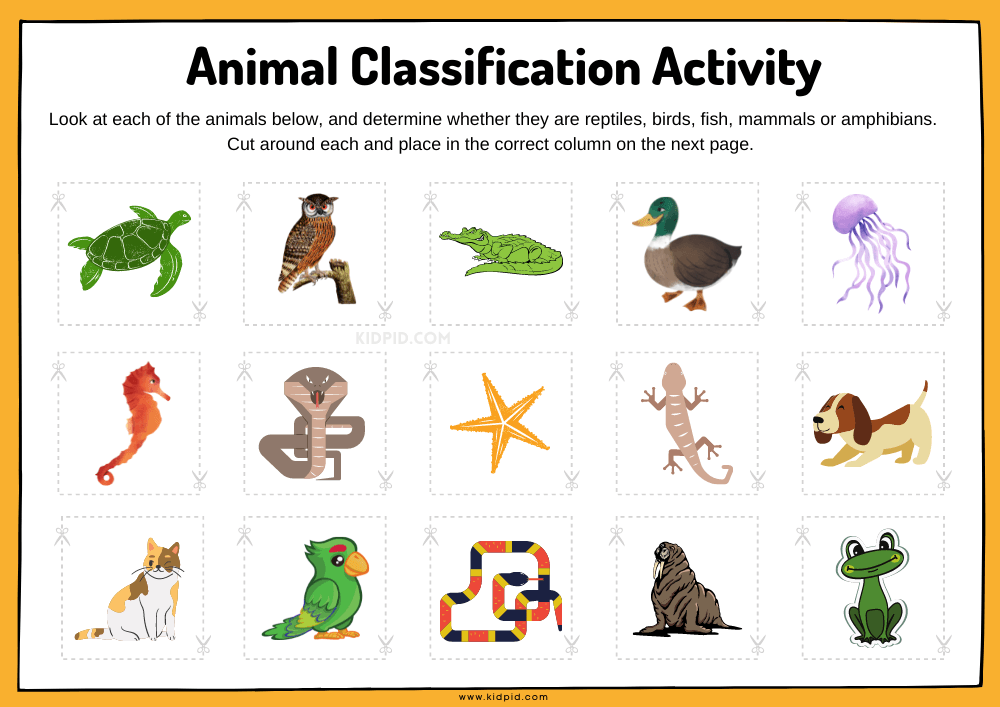
Animal Classification Sorting Worksheet Kidpid
Animals and Their Habitats (color-coded) - Identify, sort, and classify animals according to their habitat: desert, ocean, grassland, tundra, and forest (temperate). Each habitat and the animal cards that belong to that habitat have colored borders. Includes: 5 continent maps indicating the general region of each of the habitats
Animal Classification and Sorting Activity Totschooling Toddler and Preschool Educational

This awesome Animals And Their Habitats matching activity is great for teaching your students all about the different habitats that different animals live in. This resource contains three different PDF sheets: Different backgrounds representing the different kind of habitats, like the arctic, the desert, or the ocean Different animals ready for you to print and cut out An answer sheet showing.
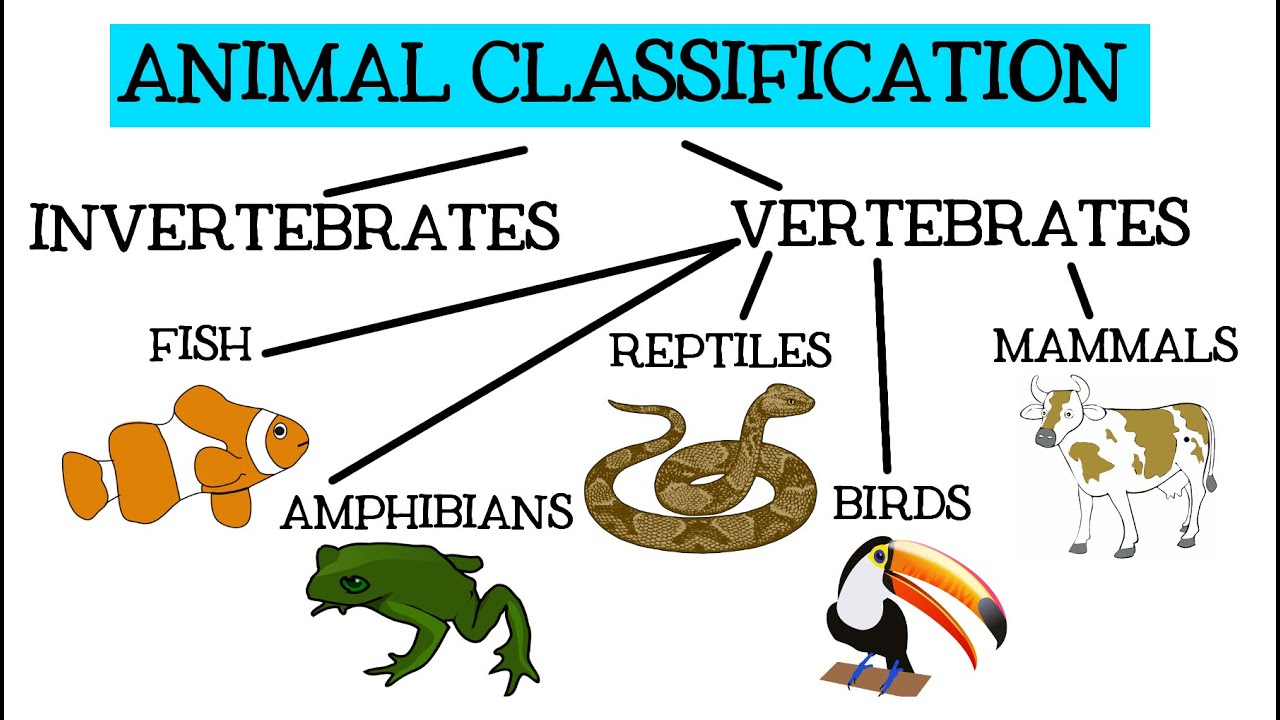
Animal Classification for Children Classifying Vertebrates and Invertebrates for Kids
Browse classify animals based on their habitats resources on Teachers Pay Teachers, a marketplace trusted by millions of teachers for original educational resources.
Classify Animals According to Body Parts and Use Evelyn Evisiou
Bilateral symmetry involves the division of the animal through a sagittal plane, resulting in two mirror image, right and left halves, such as those of a butterfly (Figure 27.7d), crab, or human body.Animals with bilateral symmetry have a "head" and "tail" (anterior vs. posterior), front and back (dorsal vs. ventral), and right and left sides (Figure 27.8).
Animal Groups (Classification) Card Sorting Activity High Resolution Download Animal

At a very basic level of classification, true animals can be largely divided into three groups based on the type of symmetry of their body plan: radially symmetrical, bilaterally symmetrical, and asymmetrical. Asymmetry is a unique feature of Parazoa (Figure 27.2.2 27.2. 2 ). Only a few animal groups display radial symmetry.
Simply SWEET TEAching Animal Classification and Habitats Unit
Allow a minute of silent think time to consider each prompt. At your signal, students should take turns sharing a response to each prompt. Call the class back together, and invite a few volunteers to share their thinking with the whole group. Record student ideas under the heading "What Animals Need." Explain that animals all live in something.
Animal Habitats Unit Animal habitats, Preschool science, Habitats

Overview. In this lesson, students play a game. Each classroom corner represents a habitat. After selecting an animal card, students have to move to the matching habitat while acting out the animal displayed on their card. By explaining why they selected a certain habitat, students realize that a habitat is a place that helps an animal survive.
Pin on Animal Habitats Unit

Step 3: Engage children in lesson activities. In small groups, invite the children to share their ideas about where these animals might live. Ask the children: "Where have you seen a squirrel (or another animal)? Do you think they live where you saw them?". Invite the children to sort and classify photos of animals based on where they think.
Animal Habitats Preschool Science Activity Animal habitats preschool, Preschool science

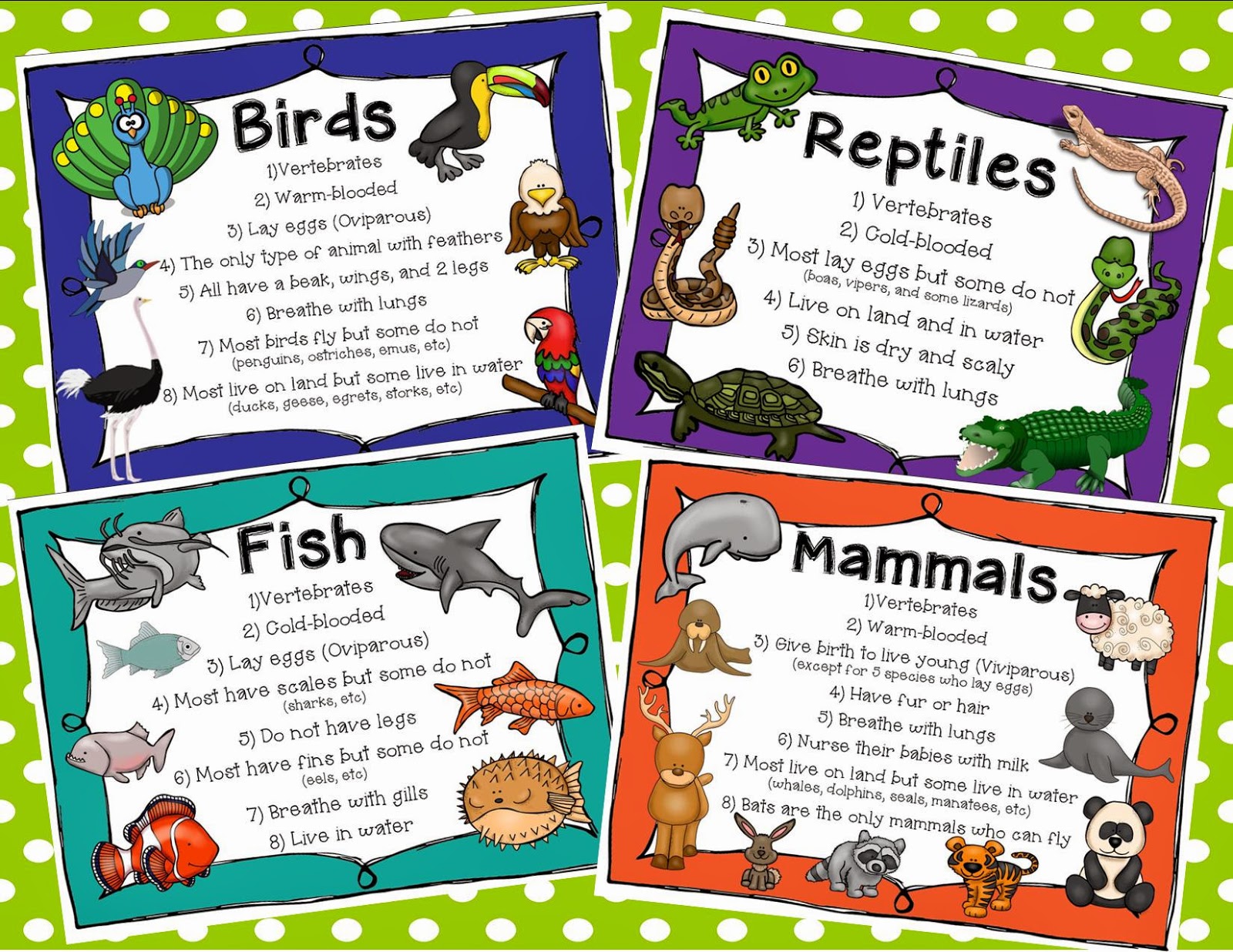
This process is called classification. The following is a list of properties for each group of animals. Mammals. give birth to their young and feed them with milk. have hair on at least part of their body. have four limbs with digits ending in claws, nails, or hooves (except whales). breathe with lungs.
Animals and their Home Habitat Chart for Preschoolers LearningProdigy Charts Animals

Animals are primarily classified according to morphological and developmental characteristics, such as a body plan. One of the most prominent features of the body plan of true animals is that they are morphologically symmetrical. This means that their distribution of body parts is balanced along an axis. Additional characteristics include the.
Nicole and Eliceo Animal habitats, Animal habitats preschool, Habitat activities

This lesson plan aims to teach students to classify animals based on their eating habits. Students will learn that animals can be categorized as herbivores, carnivores, or omnivores. Herbivores only eat plants, carnivores only eat other animals, and omnivores eat both plants and animals. The lesson includes activities where students group examples like sheep, lions, and humans into the correct.
Simply SWEET TEAching Animal Classification and Habitats Unit

Animals are primarily classified according to morphological and developmental characteristics, such as a body plan. One of the most prominent features of the body plan of true animals is that they are morphologically symmetrical. This means that their distribution of body parts is balanced along an axis. Additional characteristics include the.
Animal Habitats Worksheets Download Free Printables
I can sort animals based on where they live. Sort the animal cards into the 8 different environment mats. *Extend this activity by discussing why each animal might thrive best in the environment and why they wouldn't do well in another environment. Set out one mat at a time or all at once depending on skill level and learning goals.
Animal Classification Sorting Worksheet Kidpid
Apply that knowledge as they practice classifying animals. Evaluate and compare the classification of animals. Devise a classification system for the objects in their homes. Create a new species and classify it according to the principles of classification. Preparation. Print the lesson plan on a color printer. Have access to the Internet for.